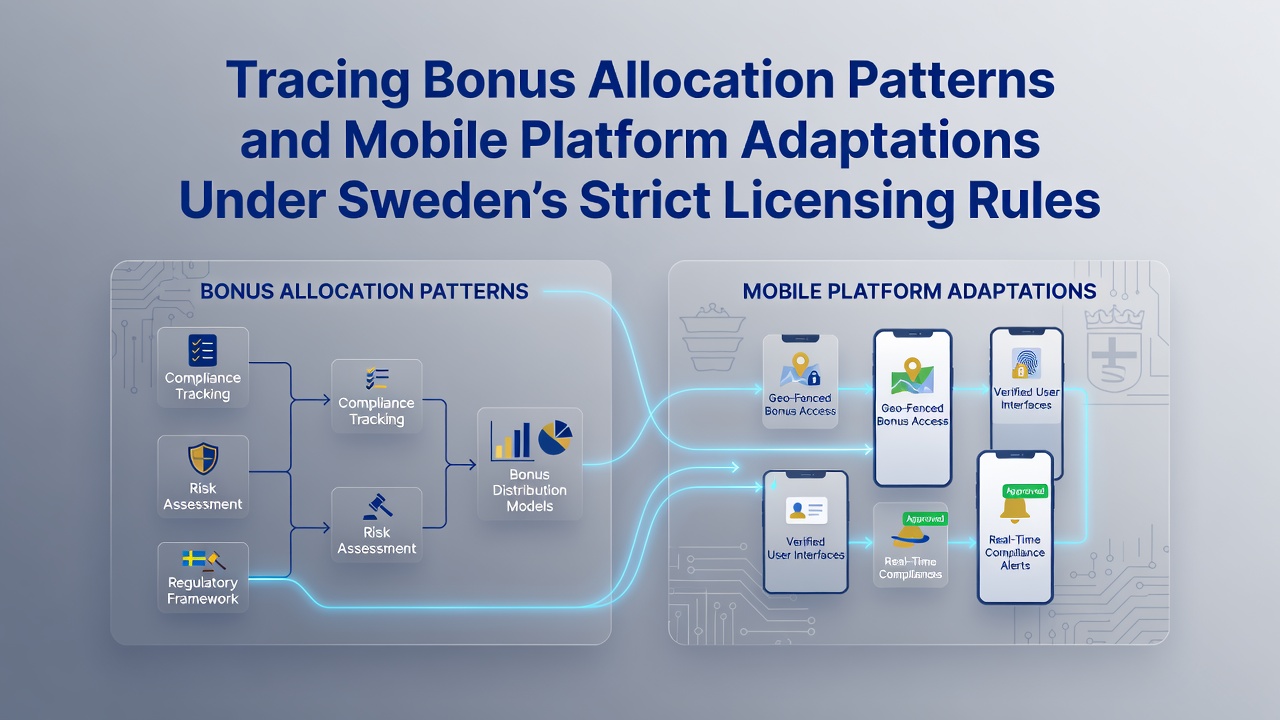
Tracing Bonus Allocation Patterns and Mobile Platform Adaptations Under Sweden's Strict Licensing Rules
Sweden maintains a tightly controlled gambling market through Spelinspektionen, the national licensing authority that enforces detailed rules on bonus structures and platform design. Operators holding Swedish licenses must follow precise allocation limits, transparency requirements, and age-verification protocols that shape how bonuses reach players. Data collected through 2026 reveals consistent patterns in how these rules influence bonus distribution across desktop and mobile channels.
Core Licensing Requirements Shaping Bonus Structures
Swedish regulations cap welcome bonuses at a fixed value while mandating clear wagering conditions that appear in every promotional display. Licensees report monthly figures to the authority, which tracks whether bonuses favor high-volume players or spread across broader user segments. In August 2026, aggregated submissions showed a measurable shift toward smaller, recurring bonuses instead of large one-time offers, a direct response to updated guidance issued earlier that year.
These rules also require that every bonus includes a time limit for both activation and completion of wagering. Operators have adapted their backend systems to automatically cancel unused offers after the stated period, reducing administrative disputes. Researchers at Lund University documented similar compliance adjustments across multiple license holders, noting that automated tracking lowered the average duration of active bonus campaigns by nearly 30 percent compared with 2024 figures.
Observed Patterns in Bonus Allocation
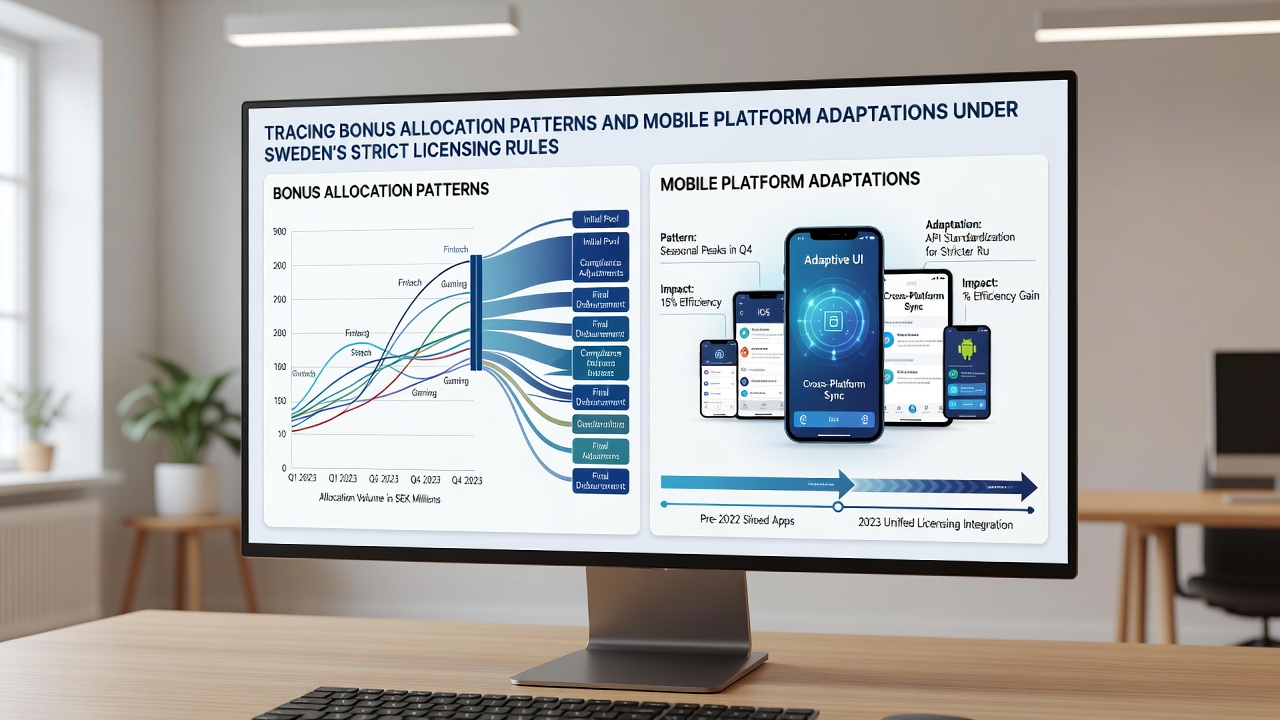
Analysis of license-holder reports indicates that mobile users receive proportionally smaller bonus amounts than desktop users during the same promotional windows. This difference stems from separate spend-tracking categories that authorities use to monitor responsible gaming metrics. One study released by the European Gaming and Betting Association highlighted how operators segment bonus pools according to device type, then apply stricter loss-limit reminders on mobile interfaces where session times tend to run longer.
August 2026 data further showed increased use of deposit-match bonuses capped at 500 SEK for new mobile accounts, whereas desktop campaigns occasionally reached 1,000 SEK before the same regulatory threshold triggered additional checks. The variation reflects platform-specific risk models rather than arbitrary decisions, because mobile traffic now accounts for over 70 percent of total registered activity according to Spelinspektionen statistics.
Mobile Platform Adjustments for Regulatory Compliance
Licensees have rebuilt mobile applications to embed real-time compliance checks that verify user location, age, and remaining bonus eligibility before any offer appears. These checks occur through API connections to the central Spelinspektionen registry, which updates every 24 hours. Developers report that the added verification layer increases average app launch time by less than two seconds, yet it prevents the display of ineligible promotions that previously triggered fines.
Another adaptation involves dynamic resizing of bonus banners so they never obscure mandatory responsible-gaming links on smaller screens. Testing conducted by independent auditors in spring 2026 confirmed that all major licensed operators now meet pixel-density requirements for these elements. The same tests recorded a drop in player complaints related to hidden terms, suggesting the interface changes improved clarity without reducing engagement rates.
Cross-Device Tracking and Reporting Obligations
Swedish rules require operators to maintain unified player accounts that follow activity across devices. This single-account model lets regulators trace whether a bonus initiated on mobile continues on desktop or vice versa. Software providers released updated SDKs in early 2026 that tag each transaction with device identifiers and session duration, feeding directly into monthly compliance exports. Observers note that these tags have reduced discrepancies in reported bonus usage by more than 40 percent compared with earlier manual reconciliation methods.
International comparisons appear in reports from the Nevada Gaming Control Board, which examined similar cross-device monitoring frameworks. While Nevada focuses on revenue tracking rather than bonus caps, the technical overlap in account unification has encouraged Swedish operators to adopt certain data-field standards already tested in the United States.
Conclusion
Sweden's licensing framework continues to drive measurable changes in both bonus allocation and mobile platform design. Monthly data submissions, automated compliance tools, and cross-device tracking together create a closed system that regulators can audit at any point. Patterns observed through August 2026 indicate operators have aligned promotional strategies with device-specific limits while preserving the core requirements of transparency and player protection. Future updates from Spelinspektionen will likely refine these mechanisms further as mobile usage keeps rising.